
Juicing for Better Sleep: 8 Juice Recipes & Ingredients
Can juicing help you sleep better? What we eat and drink can influence how we feel in the evening and how comfortably we sleep. Some fruits, vegetables and herbs have particularly interesting connections with melatonin, relaxation and normal sleep function.
This guide looks at the evidence behind some of the best-known sleep-related ingredients, including tart cherry juice, kiwi, passionfruit, leafy greens and lettuce, followed by eight sleep-friendly juice recipes to try at home.
Some of these connections are established nutritional biology, some have been investigated in human sleep studies, and others come from traditional herbal use.
Why Food and Drink Can Matter for Sleep
Sleep is an active biological process involved in memory, immune function, metabolism, tissue maintenance and emotional regulation. Poor sleep can have many causes, and diet is only one part of the picture, but what and when we eat can affect how comfortable and settled we feel at night.
A large or heavy meal late in the evening can be uncomfortable for some people. Liquid foods generally require less mechanical digestion than a substantial solid meal, and studies comparing liquid and solid meals have found that liquid meals can produce a lower thermic response after eating. A light evening meal or juice can simply feel easier than going to bed after a large dinner.
Sleep, Serotonin and Melatonin
Melatonin is one of the hormones involved in regulating the body's sleep-wake cycle. Serotonin is a neurotransmitter involved in mood and many other functions and is also a biochemical precursor from which the body can produce melatonin.
A number of fruits and vegetables contain melatonin, serotonin or nutrients and plant compounds involved in these pathways. This does not mean that every food containing them will noticeably improve sleep, but it has led researchers to investigate several foods as possible dietary aids to sleep.
Tart Cherry Juice and Sleep
Tart cherry juice is particularly interesting because it has gone beyond nutritional theory and has actually been studied in people.
Controlled human studies of tart cherry juice or concentrate have reported increases in melatonin and improvements in some measures of sleep, including sleep duration and sleep efficiency. The research is still relatively small and results should not be treated as proof that tart cherry juice will cure insomnia, but among juices associated with sleep, tart cherry has one of the more interesting evidence bases.
Nutrients Involved in Normal Sleep and Nervous-System Function
Tryptophan
Tryptophan is an essential amino acid used by the body in the pathway that produces serotonin and melatonin. Foods including leafy vegetables, broccoli, asparagus, kiwi and strawberries contain varying amounts of tryptophan and other nutrients involved in these metabolic pathways.
A vegetable juice should not be regarded as a concentrated tryptophan supplement, but including a wide variety of nutrient-rich plant foods makes more sense than attributing a miraculous sleep effect to a single ingredient.
Magnesium and Calcium
Magnesium and calcium are important for normal nerve and muscle function and participate in biological processes associated with sleep. Leafy greens are particularly useful juicing ingredients for increasing the mineral and micronutrient diversity of a juice.
Spinach, kale, rocket and watercress can all be combined with celery, cucumber, apple or other produce to make an evening juice that is predominantly vegetable rather than fruit.
B Vitamins
B vitamins are involved in energy metabolism and normal nervous-system and neurotransmitter function. Leafy greens, broccoli and strawberries provide folate and other B vitamins.
That is a good nutritional reason to include them. It is not necessary to claim that an individual glass of broccoli juice directly regulates a person's sleep cycle.
What to Juice for Better Sleep
Passionfruit
Passionfruit belongs to the Passiflora genus, a group of plants with a long history of traditional use for relaxation and sleep. Extracts of Passiflora edulis itself have also demonstrated sedative-like effects experimentally.
The important distinction is that research using concentrated plant extracts or other parts of the plant is not the same as demonstrating that ordinary passionfruit juice acts as a sedative in people. Passionfruit nevertheless remains an interesting and delicious addition to an evening juice.
Wild Lettuce
Wild lettuce has a particularly colourful history. Lactuca virosa became known as "opium lettuce" because preparations made from the plant were traditionally used for their sedative and pain-relieving properties.
Compounds found in lettuce species, including lactucin and lactucopicrin, have demonstrated sedative and analgesic effects in animal research. Despite the historical nickname, wild lettuce is not an opiate and does not contain opium.
Wild lettuce is also a medicinal herb rather than an everyday salad ingredient and concentrated preparations can produce adverse effects. Anyone experimenting with wild lettuce should distinguish it from ordinary culinary lettuce and use appropriate caution.
Kiwi
Kiwi is another fruit that has attracted research interest in relation to sleep. Small human studies have reported improvements in some sleep measures following regular kiwi consumption. The research is preliminary, but kiwi is an easy ingredient to combine with cucumber and leafy greens without making a juice overwhelmingly sweet.
Goji Berries
Goji berries have a long history as a traditional food and are rich in a variety of plant compounds. They can be included in a sleep-oriented recipe, but claims that goji berries are "proven to boost melatonin" go beyond the evidence currently available.
Apricots and Peaches
Apricots and peaches provide potassium, carotenoids and smaller amounts of magnesium along with natural sweetness. They are useful ingredients for balancing stronger-tasting greens, although they should not be thought of as unusually powerful sources of sleep-inducing magnesium.
8 Juice Recipes for Better Sleep
These sleep-friendly juice recipes are starting points rather than prescriptions. Adjust quantities to taste and to the amount of juice you want to make. For an evening juice, we generally favour vegetables with enough fruit to make the drink enjoyable rather than making fruit the bulk of the recipe.
1. Tart Cherry Green Sleep Juice
- 1 cup tart cherries
- 2 celery stalks
- 1/2 cucumber
- Small handful of spinach
Tart cherry is the ingredient with the strongest direct sleep research here, while celery, cucumber and spinach keep the drink vegetable-rich and add minerals and hydration.

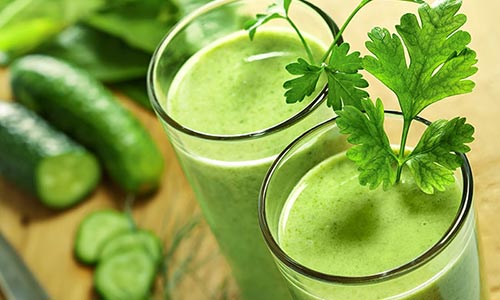
2. Green Dream
- 1 cup spinach
- 1/2 cucumber
- 1 handful kale
- 1 kiwi
- 1/2 apple
A predominantly green evening juice combining leafy vegetables with kiwi and just enough apple to soften the flavour.

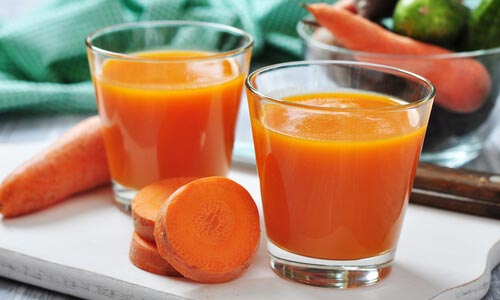
3. Carrot & Passionfruit Relaxer
- 2 carrots
- 1 passionfruit
- 1/2 orange
Carrot gives this juice body and sweetness, while passionfruit brings both flavour and its interesting connection with the traditionally calming Passiflora family.

4. Broccoli & Strawberry Evening Juice
- 1 cup broccoli florets and stem
- 5 strawberries
- 1/2 cucumber
- A few mint leaves, optional
Broccoli and strawberries provide folate and a broad range of micronutrients, while cucumber makes the combination lighter and more refreshing.

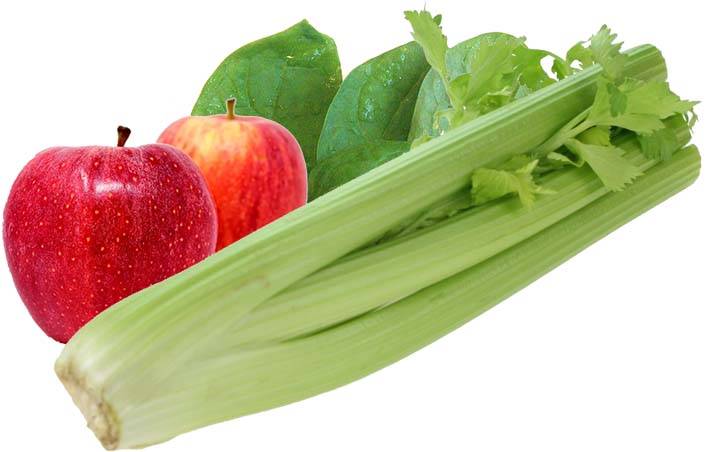
5. Magnesium Magic
- 2 apples
- 6 celery ribs
- 1 bunch spinach
One of our original sleep juice recipes. Spinach and celery make this a mineral-rich green juice, with apple balancing the stronger vegetable flavours.
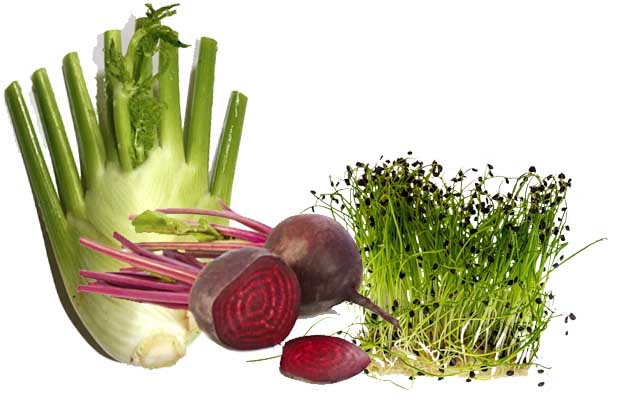
6. Red Rose
- 1 fennel bulb
- 1 large beetroot
- 1 bunch watercress
An earthy, strongly flavoured vegetable juice combining beetroot with peppery watercress and the distinctive anise flavour of fennel.
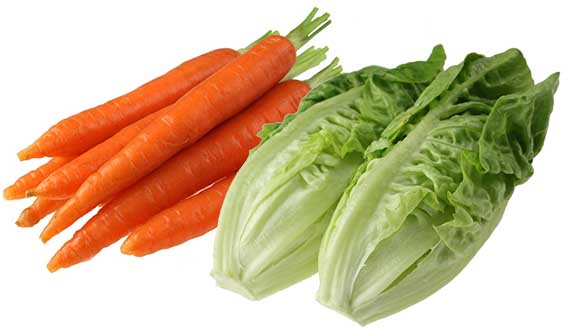
7. Lettuce Dream
- 2 carrots
- 2 heads culinary lettuce
Lettuce has a long traditional association with relaxation. Ordinary culinary lettuce should not be confused with concentrated wild lettuce preparations, but this remains a simple, mild evening vegetable juice.
8. Cherry, Kale & Pineapple
- 1 handful cherries
- 1 handful kale
- 1/2 pineapple
A fruitier recipe combining cherries with micronutrient-rich kale. If you prefer a lower-sugar evening juice, reduce the pineapple and add cucumber or celery.

When Should You Drink Juice for Sleep?
There is no scientifically established rule that an evening juice must be consumed exactly 30, 60 or 90 minutes before bed.
In fact, drinking a large glass of liquid immediately before going to sleep can be counterproductive if it causes you to wake during the night to urinate. For anyone prone to this, an evening juice is better consumed early enough for most of the fluid to pass through before bedtime.
The best timing therefore depends on the individual. An earlier light dinner or early-evening juice may make considerably more sense than turning a large drink into the final act before getting into bed.
Can Juice Be a Light Evening Meal?
For some people, yes. A vegetable-rich juice can be a useful light evening option, particularly after a substantial lunch or on a day when a heavy dinner is simply not wanted.
What About Sugar in an Evening Juice?
Sweeter juice can deliver carbohydrate quite quickly. That can produce a relatively rapid rise in blood glucose and insulin, especially if it's predominantly fruit. Diets with higher intakes of added/free sugars and high-GI carbohydrates have been associated in some studies with poorer sleep quality or more sleep disturbance.
For juicing in the evening, celery, cucumber and leafy greens make useful foundations, with fruit such as tart cherry, kiwi, apple, passionfruit or pineapple used according to taste.
Why Use a Cold Press Juicer for These Recipes?
Cold press juicers crush and press produce slowly rather than shredding it at very high speed. This produces very little heat during extraction and avoids unnecessary heat exposure while the juice is being made.
Cold press designs are also particularly useful for leafy greens and fibrous vegetables, which feature heavily in these sleep-friendly juice recipes. Horizontal cold press machines are especially effective with long fibrous produce such as celery and leafy greens.
Juicing Is Only One Part of Better Sleep
Juicing for sleep should be viewed as one part of the picture rather than a secret sleep weapon. Regular sleep and waking times, appropriate light exposure, daytime activity, a comfortable sleeping environment and avoiding excessive caffeine late in the day can all matter more than any single ingredient.
An evening juice can complement those habits: it can replace a heavier food choice, increase the variety of vegetables in the diet and provide ingredients that have interesting nutritional, traditional and, in some cases, human research connections with sleep.
Choosing a Cold Press Juicer for Greens and Evening Juices
Many of the recipes above rely on celery, spinach, kale, lettuce, watercress and other leafy or fibrous vegetables. These are precisely the ingredients that can expose the differences between juicer designs.
The Torus Solo Gen2 is a horizontal cold press juicer particularly suited to celery, wheatgrass and leafy greens. Its direct-flow straining system is designed to keep fibrous produce moving through the juicer without relying on a conventional fine mesh basket.
If you prefer to load larger mixed batches and let the machine process them with less feeding, the Torus Mouth offers a wide auto-feed hopper and vertical cold press design.
Juicer Recipes | Green Juice Guide & Recipes | Wheatgrass Juice Guide | Celery Juicing Guide | Compare Torus Juicers

Buy With Confidence
🏆
Multi-Award Winner
Industry Recognition
🇦🇺
100% Australian Owned
Australian Support
⭐
Independent 5-Star Reviews
Product Review Award
📅
Established 2012
13+ Years Online
🚚
Free Shipping
(+$20 WA & NT)
🔒
Secure Checkout
Credit Card | Paypal | Afterpay